
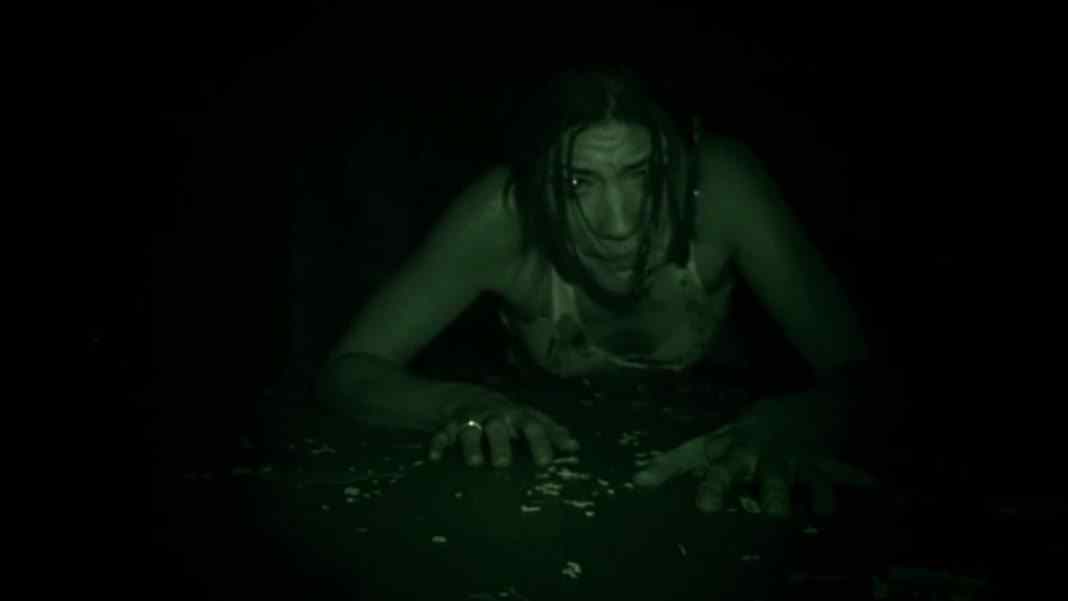
It’s July 17th, 1999 – 11:50 PM. It’s an oppressive summer night across the United States. The seasonal heat lays thick in the air, and somehow the July night has stuck to the flesh of movie-goers throughout all 50 states. Theaters across America are packed tight in irrevocable silence dangerously close to the witching hour. For how hot and humid the outside is, and how the stench of sweat raises throughout the theater, a collective shudder rolls over the crowd. The last trailer has just concluded. A chill dissipates the remnants of the outside world. The film begins with the click of a tripod camera, feeding the audience a very ‘home movie’ feel. But audiences are entrapped by the screen. The world has just been introduced to one of the most influential and innovate found footage films, The Blair Witch Project. And the horror industry is in for a shock of innovation.
Found footage films are an interesting subgenre of horror. Not only for the genre’s innovative camerawork, storytelling, and character development, but its insane history and influence. Would you believe that this once totally indie, backhouse genre had its roots in classic literature? Akin to the writings of Mary Shelley and Bram Stoker, found-footage films emulate the epistolary novel. This form excels in the idea of showing rather than telling. There is no narrator or overarching plot in the traditional sense, but a person or group of people’s account of events once transpired. Frankenstein and Dracula, both cinematic and literary classics, catapulted this narrative style to the forefront of popularity. But what made these particular epistolary novels so popular? What was it about Dracula and Frankenstein that resonated so deeply with audiences across the world? It’s a rather short, yet highly elusive answer: Suspension of disbelief.
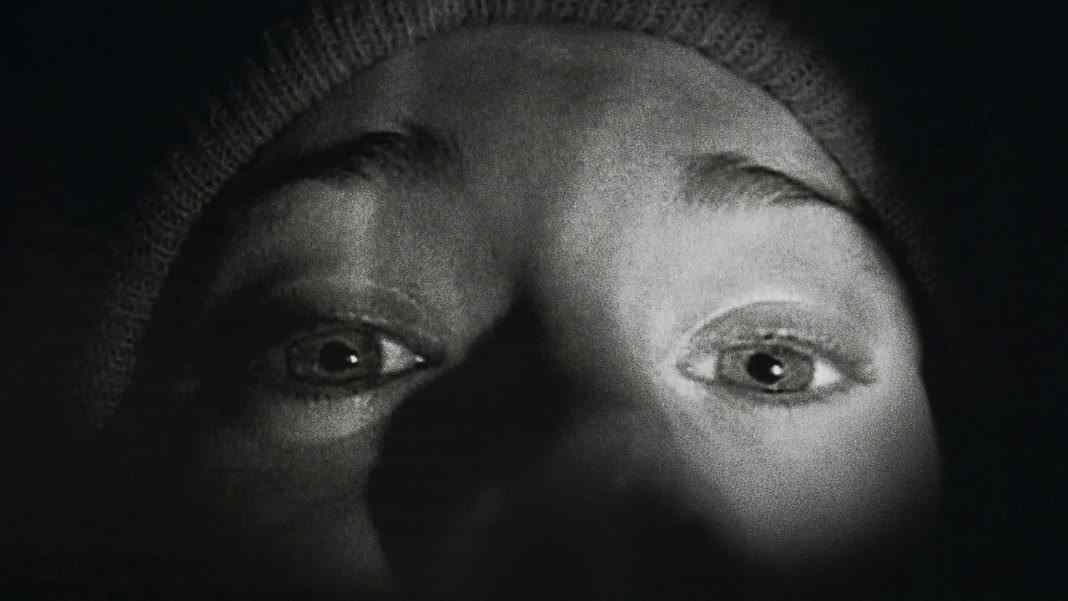

The twisted perspective of the most well-known found footage film, The Blair Witch Project.
The very same reasons that The Blair Witch Project entrapped audiences in horrified rapture is the very reason Frankenstein and Dracula are on summer reading lists throughout public schools. They make you believe. No matter how strange, unimaginable, or impossible the story is, a great found footage film will rearrange your sense of reality. If just writing about a reanimated, jigsaw man running through Germany gives people a fright, imagine watching it all unfold in a real-life film? This is the great premise of found footage films. Take the most terrifying thing you could possibly conceive, then deconstruct all the barriers between the audience and their sense of safety. Remove any notion of film and production from their mind. Put them in the headspace of the characters. Destroy their point of view as a viewer only to recreate their perception through the eyes of a victim. Epistolary novelists had this art form worked out into a well-crafted equation. So why did it take the horror industry so long to catch up?
Well, directors and film crews tried for quite awhile to reach mass market appeal with ‘pseudo-documentaries.’ While pseudo-documentaries are in the same vein as found footage films, they are often more polished and retain higher production values. This particular style of filming also lacks the raw, discovered quality of found footage films. Pseudo-documentaries, or mockumentaries as they’re often called, film a series of events in a documentary style while maintaining a clear point of reality. No pseudo-documentaries claim to be real, they just film in a realistic and informative style as an extension of storytelling. But found footage films are quite different in that respect. The whole idea of found footage films and the great innovation thereof resides in the name: ‘found.’ The premise and buy-in of found footage films are that they’re real. These films are marketed, screened, and viewed under the assumption of reality. Making audiences experience some kind of fear or anxiety is the greatest hurdle every horror film must jump to be successful. Found footage films soar over this hurdle with shaky camera work and some wickedly disgusting special effects.
The found footage film sub-genre officially began in 1980 with the highly controversial and infamous Cannibal Holocaust. The movie is very much a pseudo-documentary, but the introduction of the fake crews filming of the natives gives birth to our beloved sub-genre. Though the film was highly successful amongst exploitive and Italian filmmakers, its contents were far too graphic to ever garner blockbuster success. In fact, Ruggero Deodato, director of Cannibal Holocaust, was arrested on charges of murder, obscenity, and distribution of snuff. The violence and murders committed in the film were so lifelike and convincing that the actors had to appear on live television to prove the director’s innocence. But the horror industry’s entanglement with snuff precedes the cannibal boom of the 1970s. The term ‘snuff’ was coined by Ed Sanders’ book The Family: The Story of Charles Manson’s Dune Buggy Attack Battalion in 1971. The book details in shocking dedication to research every minute, seemingly obscure criminal activity related to Charles Manson. One particular detail notes allegedly hidden videotapes stashed out in Death Valley depicting murders committed by The Family. The mania around Charles Manson already swept the nation, but couple that with urban legends of snuff films hidden out in the desert and you have an utterly shaken country.
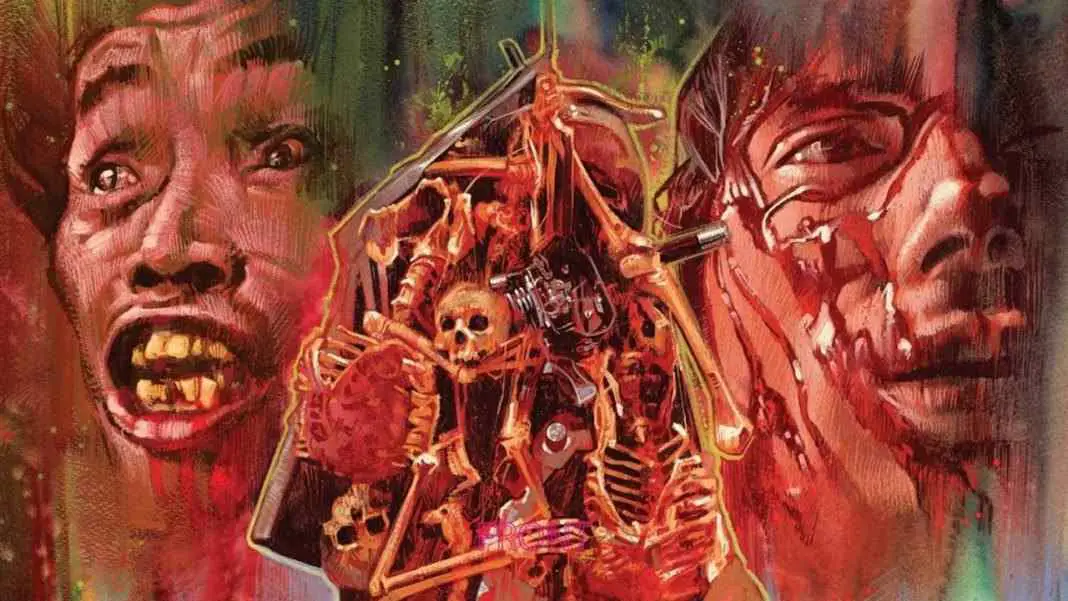
Theatrical artwork for the infamous Cannibal Holocaust, released in 1980.
The hysteria surrounding Charles Manson and his alleged tapes made found-footage films possible in American cinema. One particular and rather obscure example came in 1976 with the grindhouse film Snuff. Previously titled Slaughter when filmed back in 1972, Snuff featured a Manson-esque plotline and not much else. While the film itself was rather uninspired, the ending credit scene gained a rapid, loyal cult following. Instead of rolling the credits the film concludes with an impromptu sex scene between the camera crew and one of the actresses. However, the scene soon turns brutally violent and ends with the murder and dismemberment of the actress. This ending scene was marketed as a real snuff film spurred on by the Manson murders and left many moviegoers in a state of utter disgust. But it’s theatrical release, though small and highly protested, opened the door for much more violent and controversial films like Cannibal Holocaust in American cinema.
For how messy, violent, and exploitative the predecessors of The Blair Witch Project were their strides in the horror genre made the mass-market appeal of the cult classic possible. Without the introduction of snuff to the masses by Ed Sanders in the 1970s, the controversy and latent success of Cannibal Holocaust might have never materialized. And without the innovative film style of Cannibal Holocaust and other Mando films, The Blair Witch Project would have never been created. Nearly every found-footage film in American cinema contributes its success to the blockbuster success that was The Blair Witch Project. Movies like Creep, Cloverfield, REC, and VHS would’ve never been remotely profitable, and the record-shattering series Paranormal Activity would’ve never come into existence. Without the insane success of The Blair Witch Project and it’s raw, realistic take on filming the entire landscape of horror films would’ve been completely different in the late 2000s.
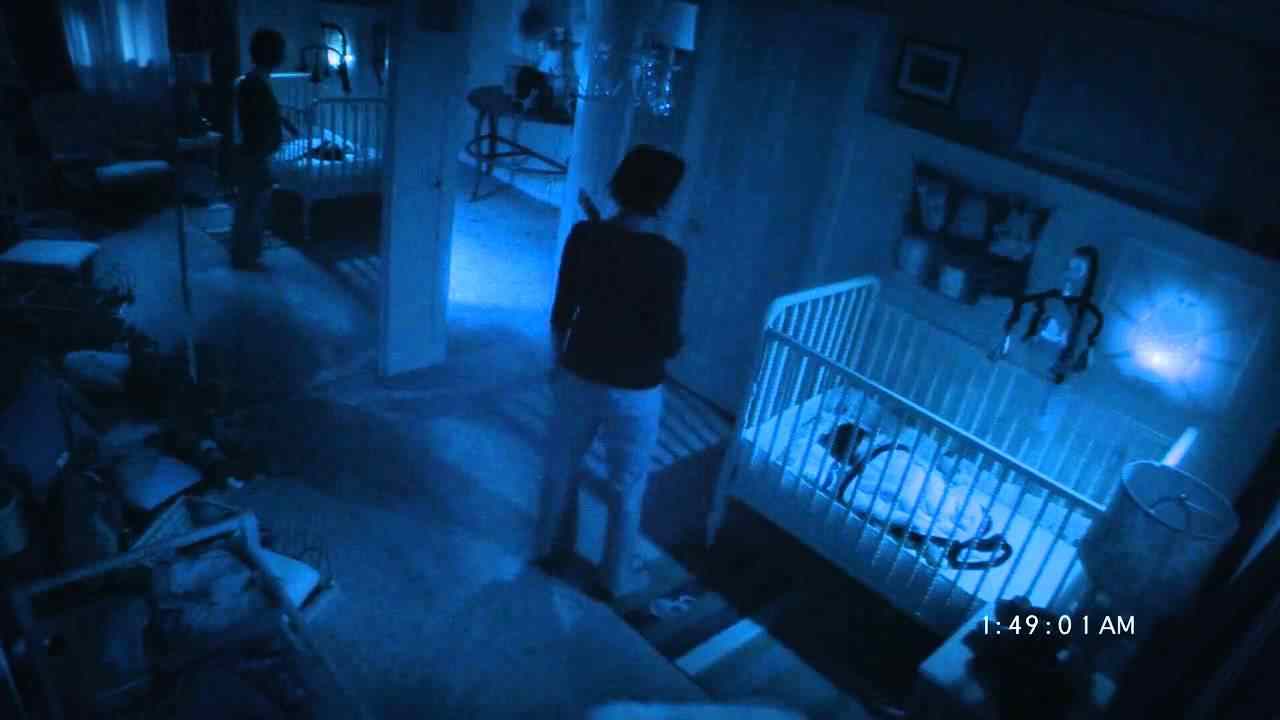
The series Paranormal Activity was a blockbuster sensation thanks to its utilization of the found footage filming technique.
Found footage films are, in a sense, snuff films for the sensible horror fan. This idea of killing a person on camera to then sell the footage and make a profit was something horror films didn’t dabble in. But this is the very idea that found footage films capitalize on. No one is actually being killed or tortured on camera, but they’re pretty good at making you question that assumption. They bring about the purest, most terrifying sense of horror. These films make the viewer suspend all sense of disbelief to leave the audience with only the rawest, most guttural reactions. And, in the end, that’s what we all want when we watch a horror movie. We want to believe. We want to watch in utter fear and belief as the unimaginable, impossible, but ever so horrifying unfolds onscreen.
Updated March 18, 2022*
Post Views:
2,222
Liked it? Take a second to support Rikileigh Perry on Patreon!