
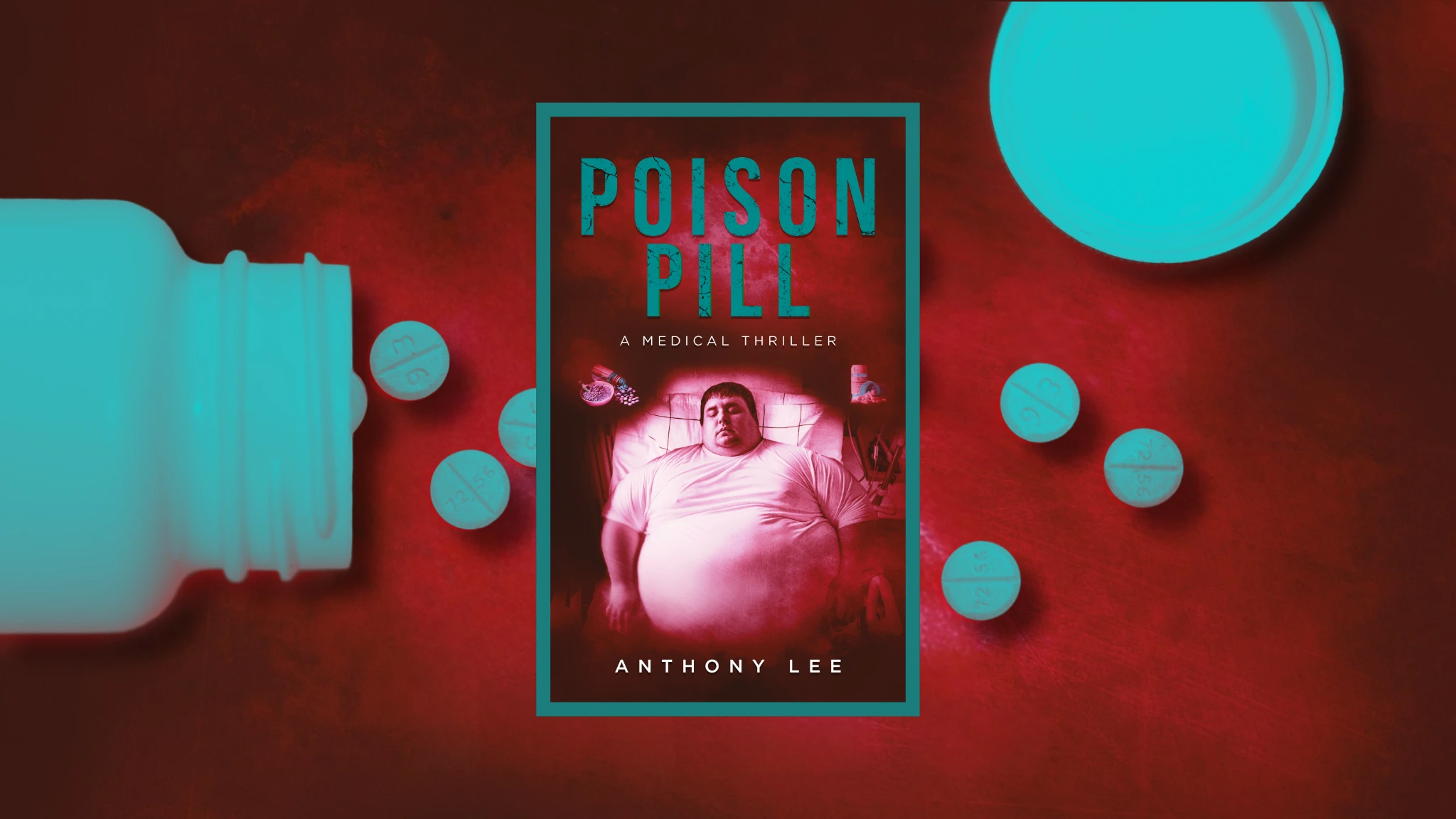
Poison Pill by Anthony Lee
A propulsive medical thriller that blends bedside realism with corporate intrigue and real emotional fallout.
Losing weight is one of the most frustrating challenges many people face. Diets promise results that rarely last. Exercise routines begin with determination and fade under the pressure of everyday life. Even when the pounds come off, they often return months later. In that cycle of hope and disappointment, the promise of a simple pill can feel almost irresistible.
That desperation has fueled decades of miracle cures, fad supplements and weight-loss drugs that promise transformation in a bottle. Some fail quietly. Others leave far more serious consequences behind.
Anthony Lee taps directly into that uneasy history with Poison Pill, a medical thriller that explores what happens when the search for an easy solution collides with the darker side of modern medicine.
Two Patients, Two Mysteries
Doctor Mark Lin works as a hospital internist in Orange County, California. His days run on alarms, admissions and lab results. He trusts evidence, not marketing — and that outlook drives Poison Pill from its opening pages.
The story begins with Hector Lucero, a 24-year-old patient on dialysis. For Hector, kidney failure arrived early and arrived hard. Mark meets Hector in the dialysis unit and listens as the young man talks about his fears — the cost of treatment, the uncertainty of the future and the possibility of becoming a burden to his family.
A second patient soon enters his roster. Robbie Dickerson, 31 and dangerously overweight, arrives with breathing trouble and a complex medical history. One detail catches Mark’s attention: Robbie has been taking a weight-loss drug called Naxipil. At first, the cases seem unrelated, but Mark’s instincts tell him otherwise.
Mark treats both patients, but he refuses to accept coincidence as a complete answer. Soon, we learn that Hector had been taking an herbal supplement before suffering kidney failure — one marketed for everything from weight control to general health. The cases begin to converge.
A Medical Thriller That Never Loses Sight of Its Humanity
Quietly and methodically, Mark starts asking questions. He observes symptoms, weighs possibilities and follows the evidence wherever it leads. He performs online research, visits a botánica, attends a medical education conference sponsored by a pharmaceutical company — but the patterns he uncovers become harder to ignore.
Although Poison Pill deals with complicated medical topics, Lee keeps the narrative accessible. Clinical scenes are described clearly without drowning the reader in jargon. Dialysis treatments, diagnostic puzzles and hospital routines feel authentic while still moving the story forward.
Mark’s first-person narration anchors the novel. His voice can be blunt and occasionally impatient, but it also reveals the strain of working in modern medicine. He delivers difficult news to patients without false reassurance, yet he never loses sight of their humanity.
Family members add emotional depth to the mystery. Hector’s sister Rosario, in particular, becomes an important presence in the story. She brings both practical information and visible concern, grounding the investigation in the real consequences families face as they navigate serious illness.
Once Mark begins looking beyond the hospital walls for answers, the pace tightens. His search introduces corporate interests, questionable research claims and an online pharmacy selling suspiciously cheap medication. The deeper he digs, the clearer it becomes that the modern drug marketplace contains dangerous gaps in oversight.
Suspicion eventually gives way to direct danger, and the stakes go up a notch.
The Ethical Tensions Inside Modern Healthcare
Can a wellness product cause real harm? And who benefits? The novel explores these questions with surprising restraint. Patients pay in money, time and health, while families absorb the stress of uncertainty. Pharmaceutical representatives are not painted as villains, per se, but as Trojan horses of medical influence. Meanwhile, the companies and distributors they work for operate within a system where accountability can be surprisingly thin.
Poison Pill succeeds because it works on two levels. On the surface, it delivers a compelling medical mystery driven by real-world issues. Beneath that suspense lies a thoughtful examination of the uneasy intersection between medicine, commerce and trust.
Poison Pill moves fast, asks hard questions and leaves readers thinking about the pills they trust long after the final page.
 Anthony Lee has a unique background in medicine. After graduating from medical school, he switched from clinical medicine to health technology assessment, analyzing new medical tests and treatments in a career spanning over 15 years.
As a writer, he found inspiration in a variety of literary works, both contemporary and classic. He has especially discovered the excitement of thriller novels, including medical thrillers by authors like Robin Cook and Tess Gerritsen, crime fiction by Michael Connelly, and Ian Fleming’s James Bond novels. After years of brainstorming his own story ideas, he finally wrote and self-published his first medical thriller novel, Doctor Lucifer, in 2024. Since then, he’s added two new installments to the Dr. Mark Lin Medical Thriller series. Poison Pill is the third book.
When he is not writing, he enjoys things like music, movies, video games, sports, and travel. He lives in Northern California.
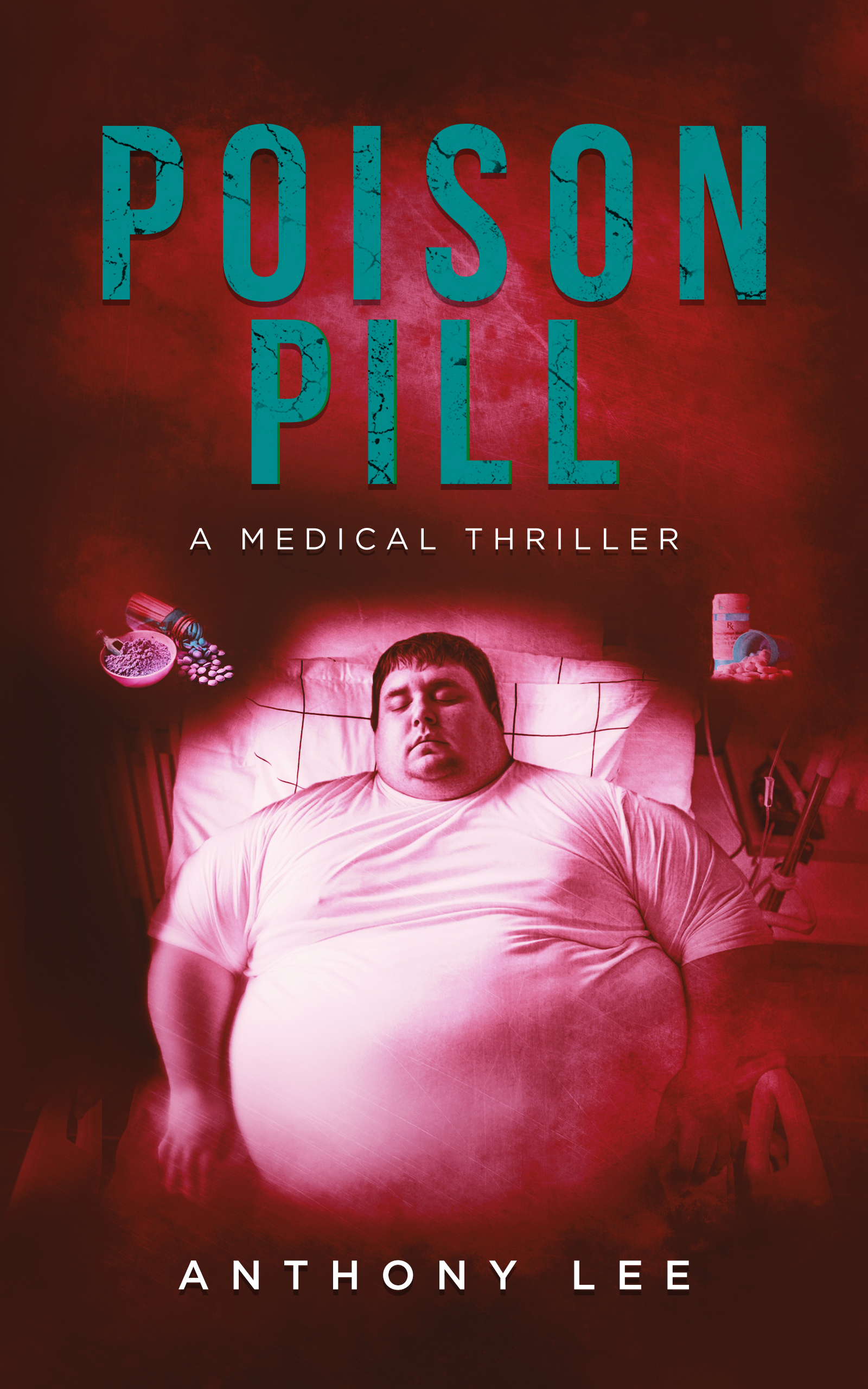
Publish Date: March 8, 2026
Genre: Mystery
Author: Anthony Lee
Page Count: 344 pages
Publisher: Anthony Lee
ISBN: 9798348494827