
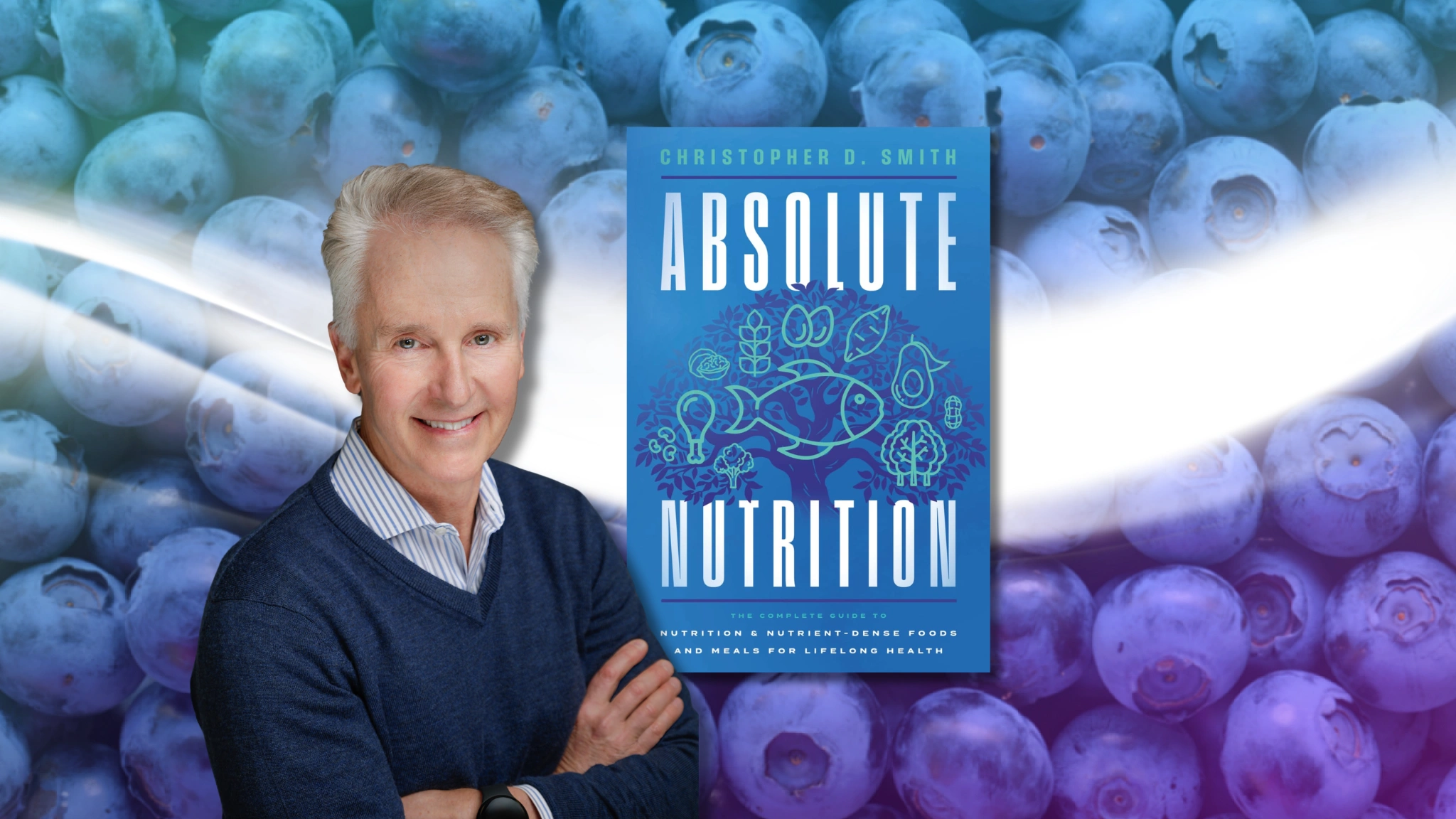
Nutrition advice is everywhere, but clear, evidence-based guidance can be surprisingly difficult to find. In Absolute Nutrition, author Chris Smith set out to cut through conflicting studies, fad diets and misinformation with a practical guide focused on nutrient-dense foods and everyday meals. Drawing on two years of research from leading scientific and medical sources, Smith offers readers a framework for building healthier eating habits that are affordable, accessible and grounded in current nutritional evidence. In this interview, he discusses the research behind the book, the challenges of translating complex science into practical advice and why he believes prevention through nutrition deserves a greater role in improving long-term health.
You spent two years researching this without a formal nutrition science background. How did you evaluate studies that gave conflicting conclusions?
When I started my research, I wasn’t sure whether I was doing so to write a book or just gain a good understanding of nutrition for my own diet. After reading hundreds of articles, I found it incredibly frustrating that I still did not understand clearly how to build a fully nutritious daily diet. I decided there was a real need for a practical, easy to read book on this topic.
From that moment on, I really upped my research “game” by only using studies published by highly credible nutrition sources (NIH, JAMA, and other leading nutrition publications). I wanted to make sure Absolute Nutrition’s information and recommendations were all based on real science, the best available expert advice and not influenced by unsubstantiated nutritional biases or fads.
Where there was conflicting nutritional science (e.g. eggs, dairy, etc.), my research went deeper by reading all the credible information sources I could find. In most cases, there was a clear majority of experts and studies that provided guidance on the most important nutrients and foods supporting good health.
For the interested reader, I’ve included a list of many of the most important information sources I used and their URL link in the back of the book.
What criteria did you use to rank your Top 10 Nutrient-Dense Foods, and was there a food that almost made the cut but got bumped to “honorable mention”? What tipped the scale?
The premise behind the Top 10 list is that there are only so many foods and calories we can consume each day. Therefore, we need to make sure our diet consistently includes highly nutritious foods. These are the ones that increase our chances of reaching the daily recommended levels of important nutrients that our bodies require for good health.
To identify these nutrient-dense foods, I set the criteria of (1) being high in at least one macronutrient, (2) having a healthy fat profile (at least twice the unsaturated fats compared to saturated fats), (3) containing high levels of several vitamins and minerals and (4) being readily available in grocery stores at an affordable cost.
Given these criteria and using the US FoodData Central’s database, it was fairly straight forward to identify the most nutritious foods at typical serving sizes. The challenge was to narrow the list down to 10. That’s why I created the Honorable Mention list.
All the foods on the Honorable Mention list are highly nutritious. Most of them were just slightly short of the broad nutritional profiles of the Top 10 foods. However, I highly recommend that all the Honorable Mention foods (berries, certain fatty fish and seeds) be part of your regular diet.
You describe applying this framework to your own diet, with a family history of early chronic illness. What was the hardest habit to change, and did anything in your own bloodwork or energy levels surprise you along the way?
As a result of my family history with cardiovascular disease and cancer, I’ve always tried to eat a healthy diet. My biggest challenge was not eliminating unhealthy foods from my diet (well, maybe a few!), but more so with understanding which foods are the most nutritious and how best to incorporate these.
My research on Absolute Nutrition allowed me to identify these foods. The next big step was finding ways to include them in my meals. This meant transitioning from my typical breakfast cereal to oatmeal, from lunch sandwiches to smoothies, and to include more nutritious foods in my existing or new dinners.
To ensure I maintained this new way of eating, it was important for me that my meals taste great. I wanted to look forward to eating them every day. I accomplished this by adding healthy versions of foods that I really liked into my meals. For example, I love peanut butter, chocolate and nuts, so I added all these into my morning oatmeal (I use cacao powder instead of chocolate).
I also began eating more “bowl meals” (chilis, pasta sauces, stir frys, etc.) with not only foods I liked, but also by adding nutrient-dense foods I didn’t. By using this bowl meal strategy, these less than tasty foods didn’t dominate the flavor of these meals. For example, I now add broccoli and red peppers into my chili and stir frys, spinach and fresh tomatoes into my red pasta sauce and edamame and quinoa into salads. These meals still taste great, and with the added foods their nutrient values are much higher.
In terms of my health prior to the new diet, fortunately, I had no major health concerns or chronic conditions. However, since I began consistently eating the book’s meals my energy levels are up, I’m stronger, my digestive system is healthier and am sleeping better. I also seem to have an overall improved sense of health and well-being.
You’re direct about the “fee for service” healthcare model having little financial incentive to prevent chronic disease. Do you see any signs that’s shifting, and what would it take for prevention-focused nutrition to get taken more seriously by mainstream medicine?
Starting on a positive note, there does seem to be more of a focus on educating physicians on nutrition and some of the dietary causes of chronic conditions.
Regrettably, until the US healthcare system moves to being more directly compensated for reducing the occurrence of chronic conditions (and other preventable illnesses), I don’t think a lot will change. In other words, the revenue for healthcare services has to become more aligned with improving Americans’ health. This will force the system to evolve into a culture of prevention.
That’s the bad news. The good news is that there is a mountain of evidence showing that a healthy diet and exercise significantly reduce the risks of chronic conditions and other diseases. Nutritional science consistently demonstrates that our brains, energy levels, bones and muscles, blood sugar levels and immune systems all rely heavily on proper nutrition.
The best news is that getting proper nutrition is within our control. I think Absolute Nutrition provides an easy-to-follow guide on how to accomplish this.
You emphasize that the meals in the book cost under $10 a serving and use foods from a regular grocery store. How did you balance nutritional “optimality” against real-world cost, time and accessibility for average readers?
When meals are made at home with whole, low processed foods, they become affordable for most budgets. Specific foods like canned fish, chicken thighs/legs, eggs, broccoli, carrots, oranges, sweet peppers, tomatoes, peanut butter, sweet potatoes, whole grain bread, oatmeal, legumes, red pasta sauce, unflavored dairy and some seeds can all be made into highly nutritious, delicious, and moderately priced meals.
Unfortunately, many Americans have chosen to consume fast foods and other highly processed foods as the primary sources for their diets. These meals are relatively inexpensive and take no time to make. Many credible studies show a diet high in these foods are a major cause of chronic conditions.
Absolute Nutrition provides some specific examples comparing fast food meals to unprocessed, whole food meals. Guess what? The whole food meals are just slightly more expensive and importantly significantly more nutritious! These meals also don’t include the common fast foods’ unhealthy high levels of sodium, sugar, saturated fat and calories.
Making your own meals does take some time and effort, but the nutritional rewards for you and your family are worth it and won’t break your budget. Also, as described in the book many of these meals are simple to make and several can be made in large quantities to refrigerate or freeze for future meals.
What do you think Absolute Nutrition gets right that other well-known diets get wrong or oversimplify?
The science of nutrition is very complex, and I think that’s one of the reasons most of us do not understand how to get proper nutrition in our diets. The truth is that the actual inclusion of nutritious foods into our diets is not overly complex. Once you know the specific foods, servings sizes and meals that use these foods, you’re well on your way to building a healthy diet.
Many books focus too heavily on the science of nutrition or are too general with their dieting advice. This makes it difficult to know specifically how to build fully nutritious meals and how much nutrition you are actually getting in your diet.
I think this is where Absolute Nutrition is unique. It simplifies the complexity of nutrition, but more importantly is specific enough to clearly explain the “what” and “how” of building a nutritious diet.
The last two sections of the book identify the healthiest foods, describe specific meal strategies and then provide several meal examples using these nutrient-dense foods. The book goes a step further by providing nutrient tables showing each meal’s total nutrient values. You can see for yourself their specific nutritional profile.
In the final chapter, I summarize the results of a diet completely made up of these meals. What are these results? The achievement of nearly all recommended daily levels of the most important macronutrients, vitamins, minerals, fiber and antioxidants. I also make a few simple dietary suggestions that push these meals into absolute nutrition territory.